Academics

Classes & Curriculum

Our 11 multi-age classrooms and the progressive, project-based curriculum that runs through every group.

From 3K to 5th grade

Choose a group to see its curriculum -- what literacy, math, science, social studies, the arts, and social-emotional learning look like at that level.

Identity curriculum

A Progressive, Inquiry-Based School

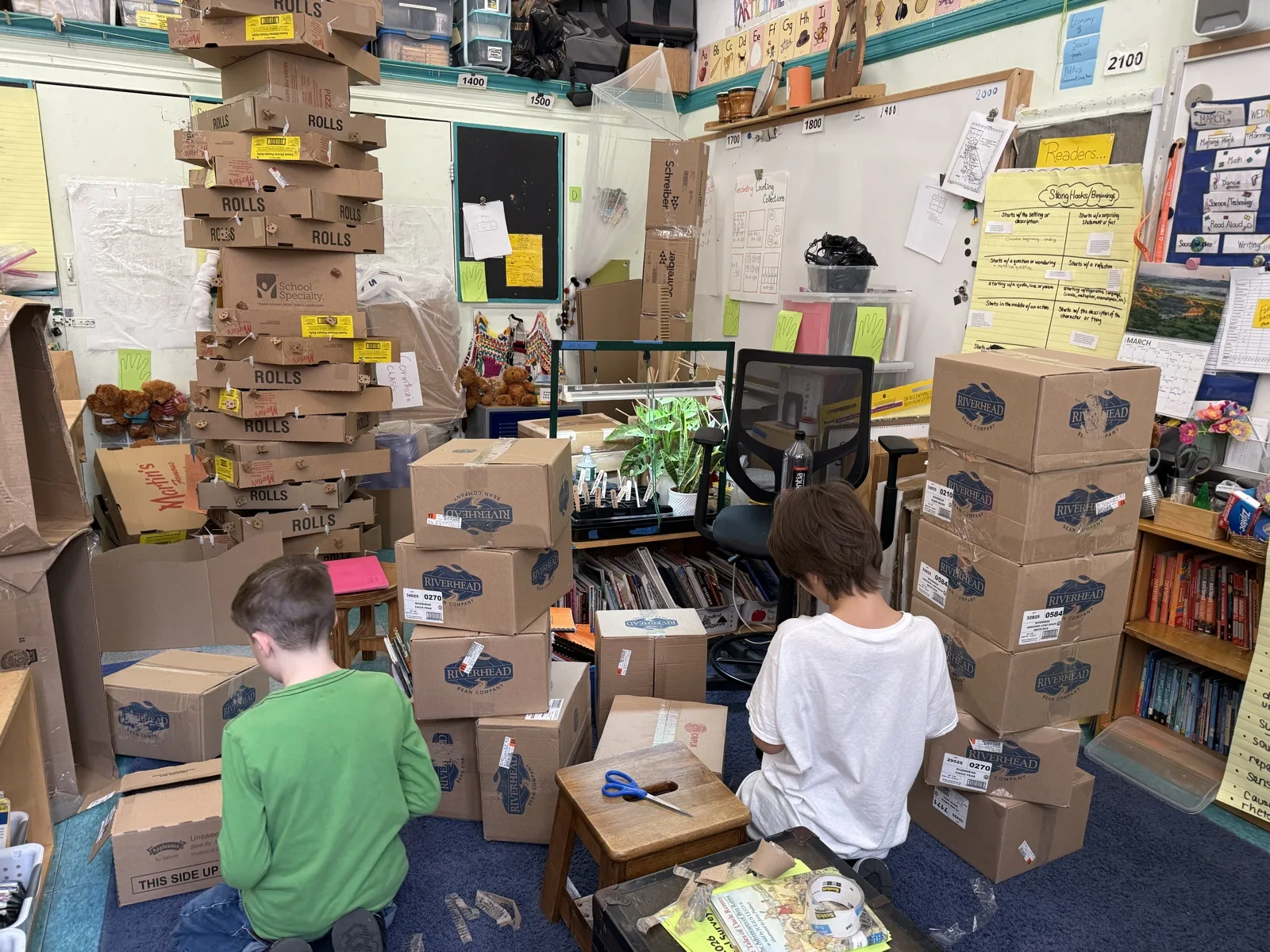
At The Neighborhood School, our curriculum is designed around the belief that children learn best through meaningful, hands-on experiences. We use a project-based approach that integrates language arts, math, science, social studies, and the arts into in-depth studies connected to students' lives, communities, and interests.

Multi-Age Classrooms

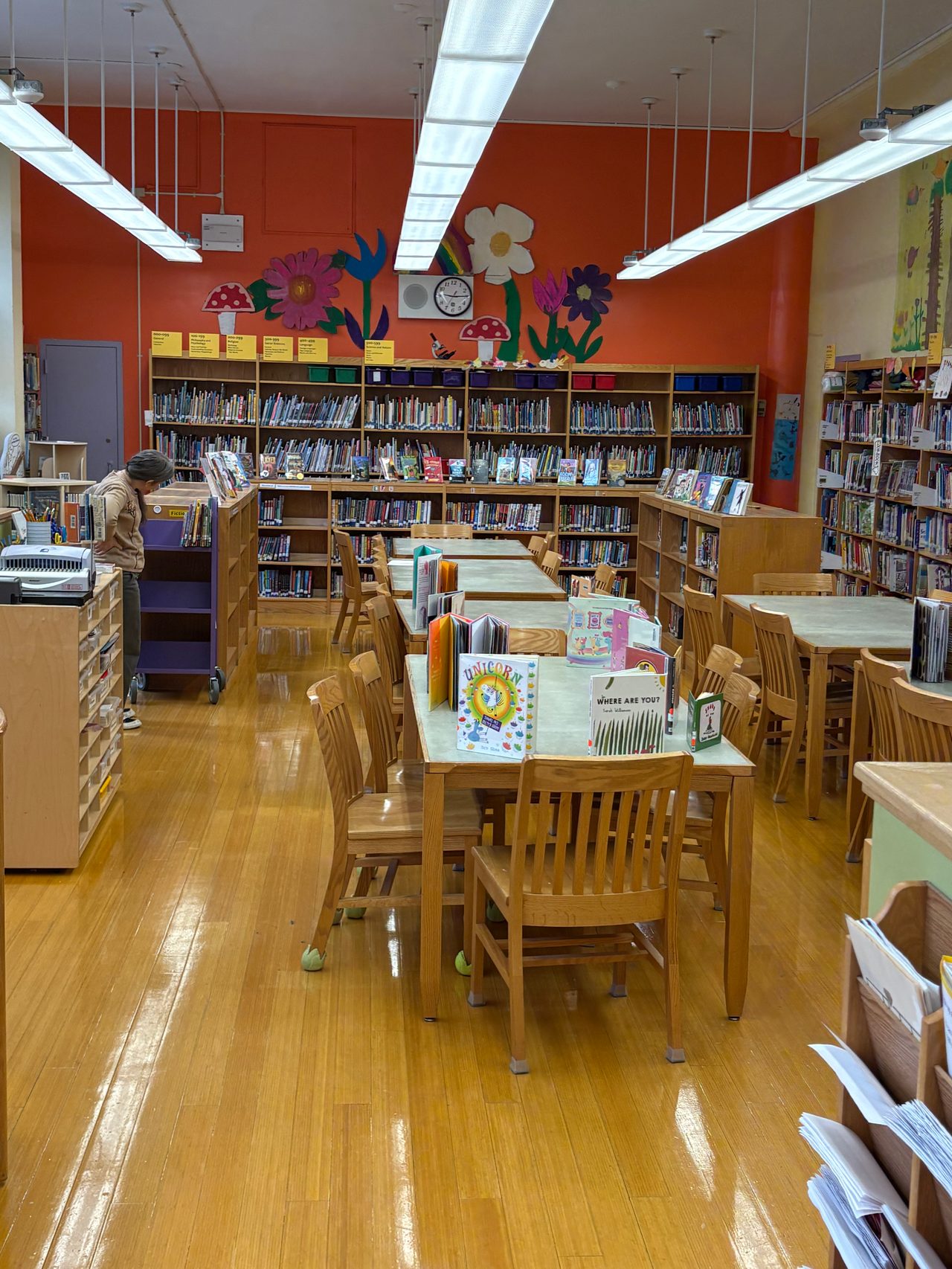
The school is organized into 11 multi-age classrooms, where children of different ages learn side by side. This structure is intentional: younger students benefit from the modeling of older peers, while older students deepen their understanding through teaching and collaboration. Choose a group below to see what learning looks like at that level.

Full-Inclusion Model

TNS is a full-inclusion school. Every child has access to a rich, supportive learning environment, with Integrated Co-Teaching (ICT) classes, occupational and physical therapy, speech therapy, and counseling integrated into the school day.

Anti-Bias, Anti-Racist Education

Our commitment to anti-bias, anti-racist (ABAR) education is woven through every classroom, every study, and every school routine. ABAR is not a separate subject -- it is a lens through which we approach learning, classroom culture, and community life.

Social-Emotional Learning

Through classroom meetings, conflict resolution practices, and a caring school culture, students develop self-awareness, empathy, communication and collaboration skills, responsible decision-making, and a strong sense of belonging.

Arts Education

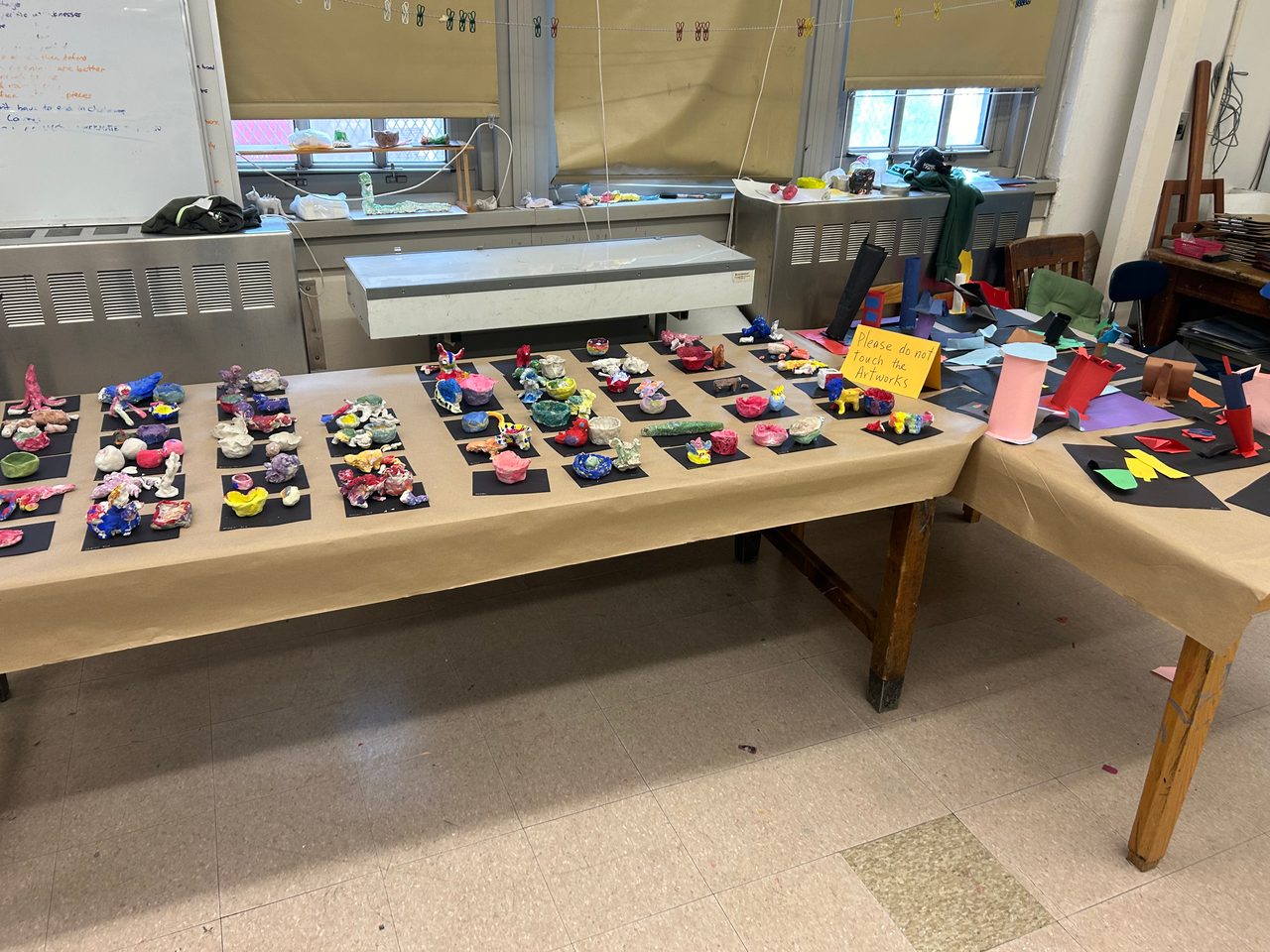
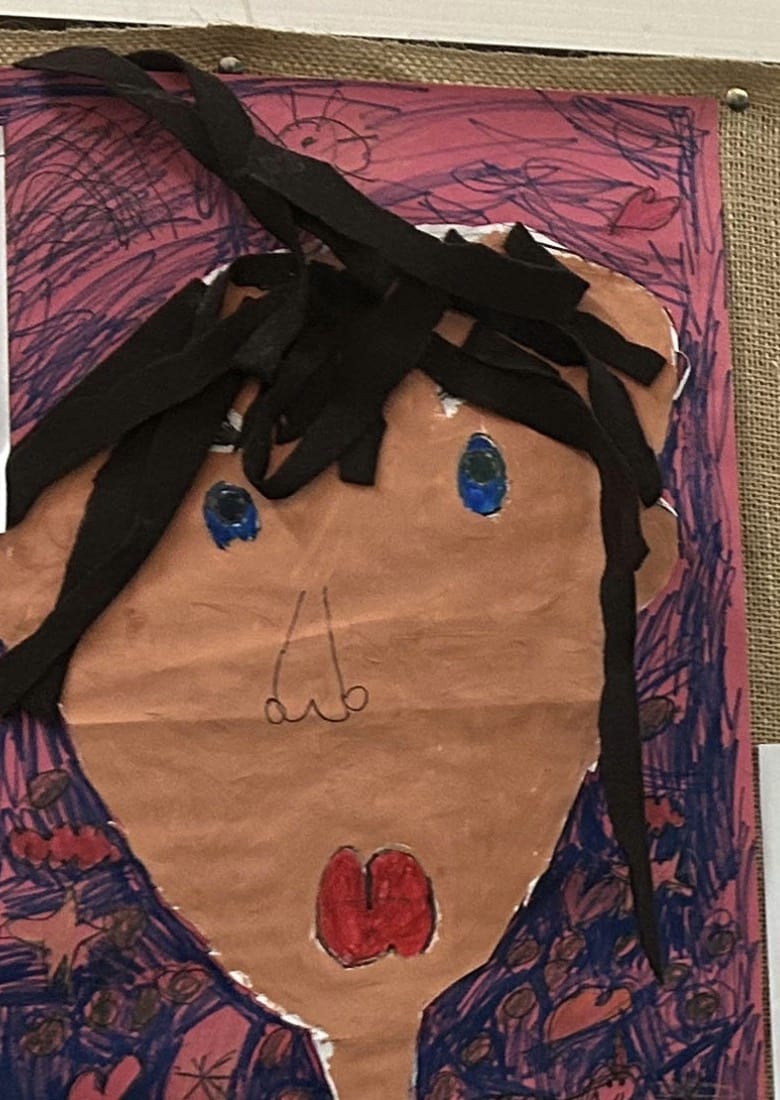
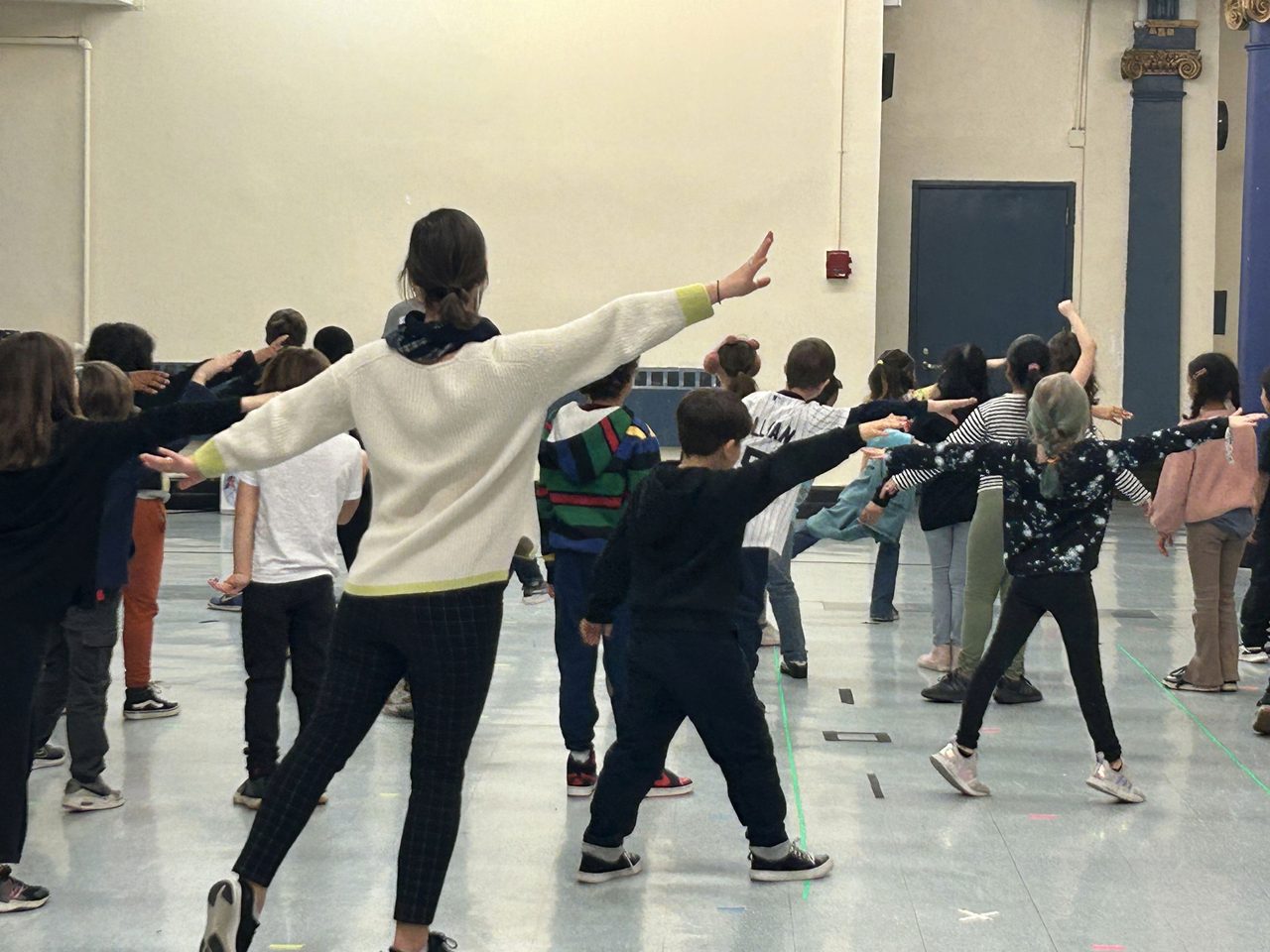
Through partnerships with Studio in a School, Third Street Music School, and NYC Ballet, every student at TNS receives professional arts instruction. The arts are essential tools for learning, self-expression, and creative thinking -- not extras.

Field Trips

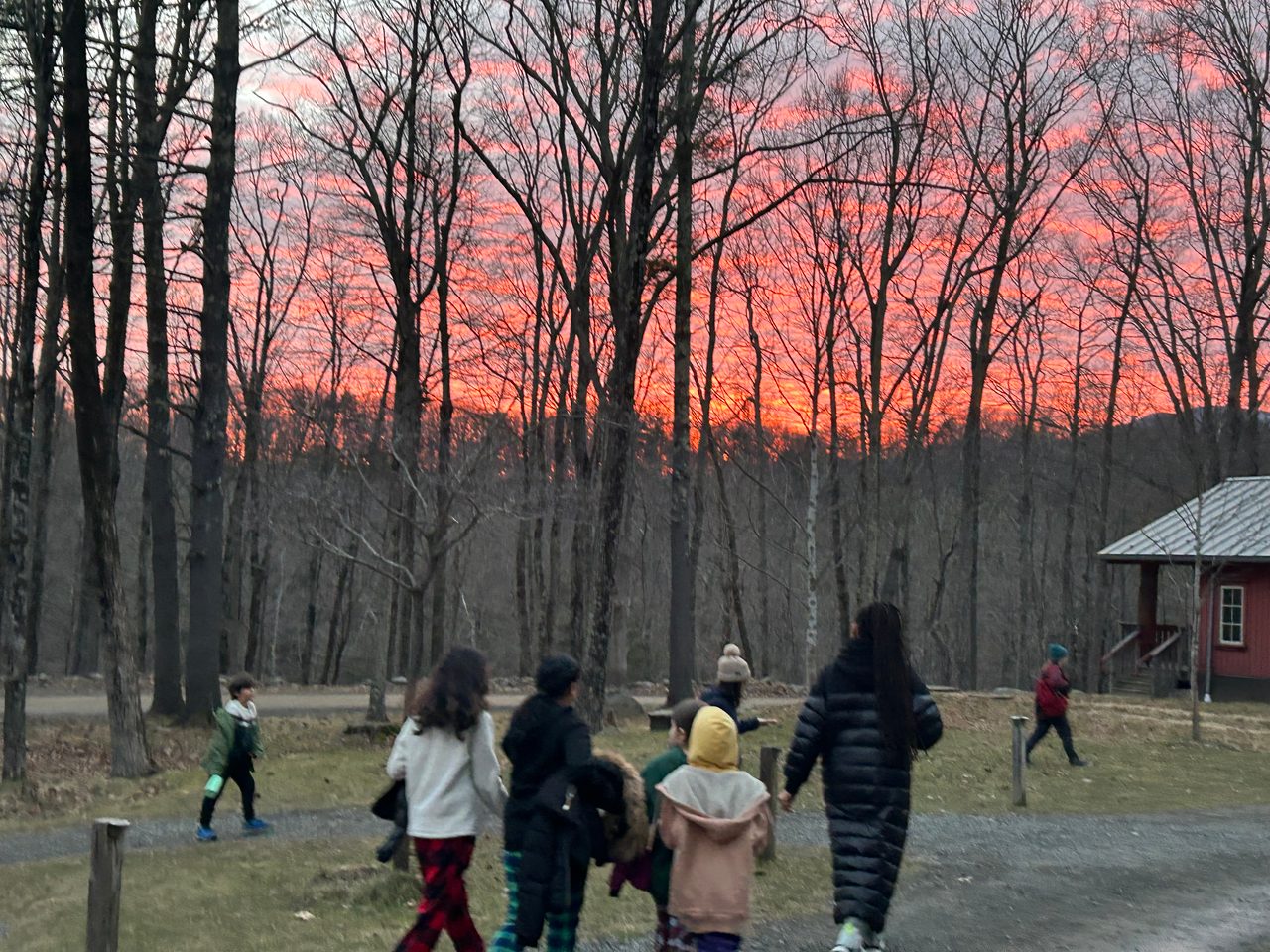
Field trips are essential to our curriculum. Students visit museums, cultural institutions, parks, and community organizations to connect classroom learning to the wider world.